25 Best Places to Visit in Canada: Complete Travel Guide
Canada is home to some of the world’s most spectacular landscapes, vibrant cities, beautiful national parks, and unforgettable travel experiences. From the majestic Rocky Mountains in Alberta to the stunning coastlines of Atlantic Canada, there are countless incredible places to explore.
If you’re planning your next Canadian adventure, this complete guide to the 25 best places to visit in Canada will help you discover breathtaking destinations, popular tourist attractions, hidden gems, and memorable experiences across the country.
Whether you’re interested in exploring Banff National Park, visiting Vancouver, discovering Toronto and Niagara Falls, experiencing the historic charm of Québec City, or enjoying the natural beauty of Nova Scotia and Newfoundland, Canada offers something for every traveler.
In this Canada travel guide, you’ll discover the best destinations to visit, top attractions, recommended travel seasons, suggested lengths of stay, and practical travel tips to help you plan your journey.
From family vacations and romantic getaways to scenic road trips and outdoor adventures, use this guide to find inspiration for your next unforgettable trip across Canada.
1. Banff National Park
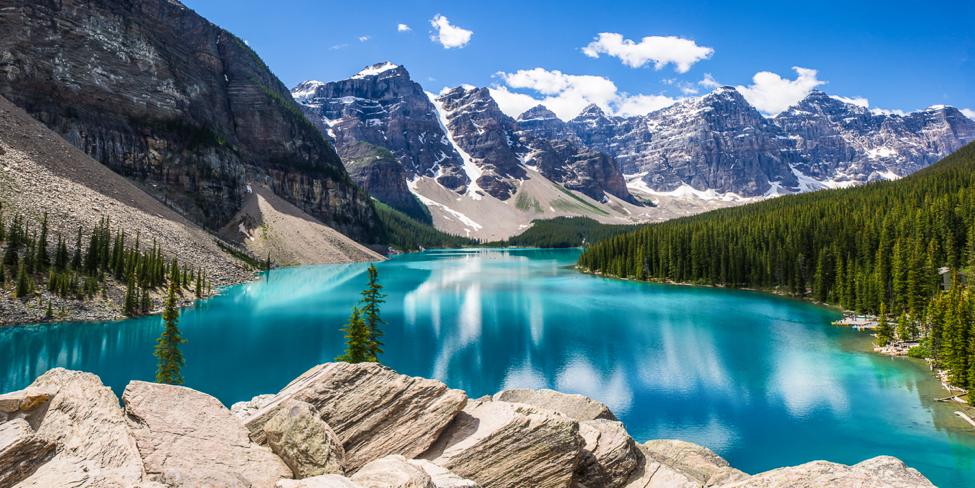
Banff National Park, located in Alberta’s Canadian Rockies, is one of Canada’s most spectacular travel destinations. Known for its turquoise lakes, snow-capped mountains, scenic highways, and abundant wildlife, Banff attracts visitors throughout the year.
Top attractions in Banff National Park
- Lake Louise: Famous for its turquoise water, mountain scenery, and lakeside walking opportunities.
- Moraine Lake: A breathtaking alpine lake surrounded by the Valley of the Ten Peaks. Access is restricted, so visitors should plan authorized transportation in advance.
- Banff Town: Explore restaurants, local shops, mountain views, and the Bow River.
- Lake Minnewanka: A beautiful location for scenic walks, photography, and seasonal boat tours.
- Johnston Canyon: A popular canyon walk featuring waterfalls and scenic trails.
Best time to visit: June through September is popular for hiking and sightseeing. December through March offers winter scenery and snow-based activities. Conditions and accessibility vary.
Recommended stay: 3–5 days to explore Banff and the Lake Louise area at a comfortable pace.
Travel tip: Reserve accommodation early during peak periods and check Parks Canada for current shuttle arrangements, park fees, trail conditions, and road restrictions.
For more Canadian travel inspiration, explore our Canada Travel Guides section to discover helpful itineraries, destination ideas, and travel planning tips.
Before visiting Banff National Park, check the official Parks Canada website for current park information, entry requirements, seasonal closures, and visitor safety updates.
2. Jasper National Park
Jasper National Park, located in the Canadian Rockies of Alberta, is famous for its dramatic mountain landscapes, turquoise lakes, glaciers, wildlife, and peaceful wilderness experiences.
As one of Canada’s largest national parks in the Rocky Mountains, Jasper offers opportunities for scenic drives, hiking, photography, and outdoor adventures.
Top attractions in Jasper National Park
- Maligne Lake: A spectacular mountain lake known for its scenery, seasonal boat tours, and views of Spirit Island.
- Athabasca Falls: A powerful waterfall surrounded by dramatic rock formations and scenic viewpoints.
- Pyramid Lake: A beautiful lake near Jasper town, popular for photography, relaxation, and outdoor activities.
- Medicine Lake: A fascinating natural lake along Maligne Lake Road, known for its changing water levels.
- Icefields Parkway: One of Canada’s most scenic mountain highways, connecting the Jasper and Lake Louise areas.
- Columbia Icefield: A remarkable glacial landscape along the Icefields Parkway, with seasonal sightseeing opportunities.
Best time to visit: June through September is generally popular for sightseeing and hiking. Winter offers snow-covered landscapes and quieter experiences, although access and services can be limited.
Recommended stay: 2–4 days to explore Jasper and surrounding attractions.
Travel tip: Check current Parks Canada updates before visiting. The 2024 Jasper wildfire affected several areas, and some trails, facilities, or visitor services may remain restricted during recovery. Always verify current access and road conditions before finalizing your itinerary.
3. Yoho National Park
Yoho National Park, located in British Columbia’s Canadian Rockies, is a spectacular destination known for its turquoise lakes, towering waterfalls, dramatic mountain peaks, and beautiful hiking trails.
Situated near Lake Louise and Banff National Park, Yoho is an excellent addition to a Canadian Rockies road trip.
Top attractions in Yoho National Park
- Emerald Lake: One of Yoho’s most photographed destinations, featuring turquoise water, mountain scenery, and a scenic lakeside walking trail.
- Takakkaw Falls: One of Canada’s tallest waterfalls, surrounded by dramatic mountain landscapes. Road access is seasonal.
- Natural Bridge: A fascinating rock formation created by the powerful flow of the Kicking Horse River.
- Lake O’Hara: A stunning alpine destination with beautiful hiking trails. Access is strictly managed, and reservations are required for most visitors using the shuttle.
- Spiral Tunnels Viewpoint: A historic railway engineering attraction where visitors may see trains navigating the mountain terrain.
4. Waterton Lakes National Park
Waterton Lakes National Park, located in southwestern Alberta along the Canada–USA border, is one of Canada’s most beautiful and peaceful mountain destinations.
Part of the Waterton-Glacier International Peace Park, this destination combines dramatic Rocky Mountain scenery, crystal-clear lakes, waterfalls, wildlife, and charming small-town experiences.
Unlike the busier Banff and Jasper national parks, Waterton offers a quieter atmosphere for visitors who enjoy nature, photography, hiking, and scenic drives.
Top attractions in Waterton Lakes National Park
- Upper Waterton Lake: A spectacular mountain lake surrounded by towering peaks, offering scenic viewpoints and seasonal boat tours.
- Prince of Wales Hotel: One of Waterton’s most recognizable landmarks, famous for its historic architecture and panoramic lake views.
- Red Rock Canyon: A beautiful natural attraction featuring colourful rock formations, flowing water, and short walking opportunities.
- Cameron Falls: An easily accessible waterfall located near Waterton townsite.
- Bear’s Hump Trail: A popular short but steep hike rewarding visitors with breathtaking views of Waterton townsite and surrounding lakes.
- Cameron Lake: A peaceful mountain lake.
5. Vancouver
Vancouver, located on Canada’s Pacific Coast in British Columbia, is one of the country’s most popular travel destinations. Surrounded by mountains, forests, and the Pacific Ocean, Vancouver offers a wonderful combination of natural beauty, modern city attractions, outdoor adventures, and multicultural experiences.
Whether you’re visiting Canada for the first time or planning a West Coast vacation, Vancouver offers something for every type of traveler.
Top attractions in Vancouver
- Stanley Park: A famous urban park featuring forest trails, scenic viewpoints, beaches, and the popular Seawall pathway.
- Granville Island: A vibrant destination known for its Public Market, artisan shops, restaurants, and waterfront atmosphere.
- Canada Place: An iconic waterfront landmark offering beautiful harbour views and opportunities to watch cruise ships.
- Gastown: Vancouver’s historic neighbourhood, known for its cobblestone streets, restaurants, boutiques, and famous steam clock.
- English Bay Beach: A popular waterfront destination for relaxing, walking, and watching sunsets.
- Queen Elizabeth Park: A beautiful hilltop park featuring landscaped gardens and panoramic views of Vancouver.
- Grouse Mountain: A popular North Shore mountain destination offering seasonal outdoor activities and spectacular city views.
- Capilano Suspension Bridge Park: A well-known paid attraction featuring a suspension bridge, forest walkways, and nature experiences.
Best time to visit: May through September is generally popular for sightseeing and outdoor activities. Vancouver has relatively mild winters compared with much of Canada, although rain is common.
Recommended stay: 3–5 days to explore Vancouver’s major attractions and nearby destinations.
Getting there: Vancouver International Airport (YVR) serves domestic and international flights. The Canada Line connects the airport with downtown Vancouver.
Travel tip: Vancouver has an extensive public transportation network, including SkyTrain, buses, and SeaBus. Visitors can explore many attractions without renting a vehicle. For outdoor excursions, check weather forecasts, trail conditions, and transportation availability before departure.
6. Victoria
Victoria, the capital city of British Columbia, is one of Canada’s most charming coastal destinations. Located on the southern tip of Vancouver Island, Victoria is famous for its beautiful gardens, historic architecture, scenic waterfront, and relaxed atmosphere.
With its combination of natural beauty, cultural attractions, and outdoor experiences, Victoria is an excellent destination for couples, families, and first-time visitors to Canada.
Top attractions in Victoria
- Inner Harbour: The heart of Victoria, featuring beautiful waterfront views, historic buildings, restaurants, and walking paths.
- Butchart Gardens: A world-famous garden attraction featuring colourful floral displays, themed gardens, and seasonal experiences.
- British Columbia Parliament Buildings: Impressive historic buildings overlooking the Inner Harbour. Guided tours may be available.
- Royal BC Museum: A popular cultural attraction featuring exhibitions about British Columbia’s natural and human history.
- Fisherman’s Wharf: A colourful waterfront area featuring floating homes, restaurants, and harbour views.
- Beacon Hill Park: A beautiful public park with gardens, walking trails, ponds, and scenic coastal viewpoints.
- Craigdarroch Castle: A historic Victorian-era mansion offering a glimpse into Victoria’s past.
- Dallas Road Waterfront: A scenic coastal route popular for walking, photography, and ocean views.
- Chinatown: One of Canada’s oldest Chinatowns, featuring historic architecture, shops, restaurants, and Fan Tan Alley.
Best time to visit: May through September is generally ideal for outdoor sightseeing, gardens, and waterfront activities. Victoria has relatively mild winters compared with many other Canadian cities, although rain is common.
Recommended stay: 2–3 days to explore Victoria’s main attractions comfortably.
Getting there: Victoria is accessible by air and ferry. BC Ferries operates routes between the Vancouver area and Vancouver Island, including the Tsawwassen–Swartz Bay route. Swartz Bay is approximately a 30–40-minute drive from downtown Victoria under normal traffic conditions.
Travel tip: Many downtown Victoria attractions are within walking distance of the Inner Harbour. If visiting Butchart Gardens, plan transportation in advance because the gardens are located outside the downtown area. Check attraction opening hours, ferry schedules, and reservation requirements before traveling.
7. Tofino
Tofino, located on the west coast of Vancouver Island in British Columbia, is one of Canada’s most beautiful coastal destinations. Known for its sandy beaches, ancient rainforests, surfing opportunities, and spectacular Pacific Ocean scenery, Tofino is perfect for nature lovers and outdoor enthusiasts.
Surrounded by the traditional territories of the Tla-o-qui-aht First Nation, Tofino offers visitors opportunities to experience coastal landscapes, Indigenous culture, and outdoor adventures.
Top attractions in Tofino
- Long Beach: Located within Pacific Rim National Park Reserve, this spectacular stretch of coastline is famous for its ocean views, sandy beaches, and surfing.
- Chesterman Beach: A beautiful beach popular for walking, photography, surfing, and watching sunsets.
- Cox Bay Beach: Known for its impressive waves, scenic surroundings, and surfing opportunities.
- Pacific Rim National Park Reserve: Explore coastal scenery, rainforest trails, beaches, and protected natural landscapes.
- Tonquin Beach: A peaceful beach accessible by a forest trail near Tofino.
- Rainforest Trails: Discover ancient temperate rainforest ecosystems along designated boardwalks and walking trails within the national park.
- Wildlife Watching: Join responsibly operated tours for opportunities to observe whales, bears, and other coastal wildlife.
- Tofino Village: Explore local restaurants, cafés, galleries, independent shops, and coastal culture.
Best time to visit: May through September is popular for beach activities, sightseeing, and outdoor adventures. Autumn and winter attract visitors interested in storm watching, although coastal weather can be severe.
8. Whistler
Whistler, located in the Coast Mountains of British Columbia, is one of Canada’s most famous year-round mountain destinations. Approximately 120 kilometres north of Vancouver, Whistler is known for its world-class skiing, mountain biking, scenic gondola rides, alpine hiking trails, and vibrant pedestrian village.
Whether you’re planning a winter ski vacation or a summer mountain adventure, Whistler offers memorable experiences for families, couples, and outdoor enthusiasts.
Top attractions in Whistler
- Whistler Blackcomb: One of North America’s largest ski resorts, offering extensive skiing and snowboarding terrain during the winter season and mountain activities during warmer months.
- PEAK 2 PEAK Gondola: A spectacular gondola connecting Whistler and Blackcomb mountains, providing panoramic views of surrounding peaks and valleys.
- Whistler Village: A lively pedestrian-friendly village featuring restaurants, cafés, shops, accommodation, and entertainment.
- Lost Lake Park: A beautiful natural area popular for walking, cycling, swimming during summer, and seasonal winter activities.
- Alta Lake: A scenic lake offering opportunities for kayaking, paddleboarding, swimming, and relaxing by the water during warmer months.
- Brandywine Falls Provincial Park: A beautiful waterfall south of Whistler, with viewpoints accessible when the park and trails are open.
- Whistler Mountain Bike Park: A popular destination for mountain biking enthusiasts, with trails suitable for different experience levels.
- Whistler Olympic Plaza: A public gathering space featuring mountain views, seasonal events, and a connection to the 2010 Winter Olympic Games.
- Vallea Lumina: A seasonal multimedia forest experience combining lights, storytelling, and an evening walking adventure.
Best time to visit: December through March is popular for skiing and snowboarding, depending on snow conditions. June through September is generally ideal for hiking, biking, sightseeing, and lake activities.
Recommended stay: 2–4 days to explore Whistler Village, mountain attractions, and nearby natural areas.
Getting there: Whistler is approximately a two-hour drive from Vancouver via the scenic Sea-to-Sky Highway under favourable traffic and weather conditions. Shuttle services are also available from Vancouver and Vancouver International Airport.
Travel tip: Mountain weather can change quickly, even during summer. Check gondola schedules, trail conditions, activity availability, and weather forecasts before visiting. Winter travelers should also review highway conditions and British Columbia’s seasonal winter tire requirements.
9. Kelowna
Kelowna, located in British Columbia’s beautiful Okanagan Valley, is one of Canada’s most popular summer vacation destinations. Known for its warm weather, scenic lakes, vineyards, orchards, and outdoor activities, Kelowna offers a relaxing combination of nature, recreation, and city experiences.
Situated along the shores of Okanagan Lake, Kelowna is an excellent destination for families, couples, road trip enthusiasts, and visitors exploring British Columbia.
Top attractions in Kelowna
- Okanagan Lake: A spectacular freshwater lake offering beaches, swimming, kayaking, paddleboarding, and scenic waterfront views.
- Waterfront Park: A beautiful downtown park featuring walking paths, landscaped gardens, and views of Okanagan Lake.
- Knox Mountain Park: A popular natural area offering hiking trails, viewpoints, and panoramic views of Kelowna and the surrounding valley.
- Myra Canyon Trestles: A remarkable section of the historic Kettle Valley Railway featuring wooden trestle bridges, tunnels, and scenic cycling and walking routes.
- City Park: A popular lakeside destination with sandy beaches, picnic areas, walking paths, and recreational facilities.
- Mission Hill Family Estate: A well-known winery in nearby West Kelowna, recognized for its architecture and Okanagan Valley views.
- Kasugai Gardens: A peaceful Japanese-style garden located in downtown Kelowna.
- Boyce-Gyro Beach Park: A popular summer destination for swimming, relaxing, and enjoying lakeside activities.
- Okanagan Lavender & Herb Farm: A seasonal attraction known for its gardens and locally inspired products. Check current visitor access before planning a visit.
- Downtown Kelowna: Explore restaurants, cafés, local shops, public art, and waterfront walking areas.
Best time to visit: June through September is generally popular for beaches, lake activities, hiking, and outdoor sightseeing. Spring and autumn offer quieter experiences, although temperatures and weather conditions vary.
Recommended stay: 2–4 days to explore Kelowna, Okanagan Lake, and nearby attractions.
Getting there: Kelowna is approximately a four-hour drive from Vancouver under favourable road conditions. Kelowna International Airport (YLW) also serves domestic and selected international routes.
Travel tip: Summer temperatures in the Okanagan Valley can be hot, so carry drinking water, sunscreen, and appropriate sun protection. Wildfire activity and smoke can affect air quality, road access, and outdoor activities during some seasons. Check official British Columbia wildfire updates, air-quality advisories, and road conditions before traveling.
10. Calgary
Calgary, located in southern Alberta, is one of Canada’s most exciting cities and a popular gateway to the Canadian Rockies. Known for its modern skyline, Western heritage, cultural attractions, beautiful parks, and proximity to Banff National Park, Calgary offers an excellent combination of urban experiences and outdoor adventures.
Whether you’re visiting Calgary for a weekend getaway or beginning a Canadian Rockies road trip, the city has plenty of attractions for families, couples, and international travelers.
Top attractions in Calgary
- Calgary Tower: One of the city’s most recognizable landmarks, offering panoramic views of downtown Calgary and the surrounding landscape.
- Prince’s Island Park: A beautiful urban park along the Bow River, featuring walking paths, green spaces, and scenic downtown views.
- Heritage Park Historical Village: A popular living-history attraction featuring historic buildings, exhibits, and experiences showcasing Western Canadian history.
- Calgary Zoo: A major family attraction featuring wildlife exhibits, conservation programs, and themed habitats.
- Studio Bell, Home of the National Music Centre: A cultural attraction featuring interactive music exhibits, Canadian music history, and performances.
- Stephen Avenue Walk: A historic downtown pedestrian area featuring restaurants, shops, public art, and heritage architecture.
- Calgary Stampede Grounds: Home to the internationally recognized Calgary Stampede, an annual summer event celebrating Western culture, rodeo traditions, and entertainment.
- Peace Bridge: A distinctive pedestrian bridge crossing the Bow River, popular for photography and walking.
- Fish Creek Provincial Park: One of Canada’s largest urban provincial parks, offering extensive walking and cycling trails, natural landscapes, and wildlife-viewing opportunities.
- Inglewood: One of Calgary’s oldest neighbourhoods, known for independent shops, cafés, restaurants, and local culture.
- TELUS Spark Science Centre: An interactive science attraction featuring hands-on exhibits and educational experiences.
Best time to visit: June through September is generally popular for sightseeing, festivals, and outdoor activities. Winter offers seasonal events and snowy landscapes, although temperatures can be very cold.
Recommended stay: 2–3 days for Calgary’s main attractions, with additional days for nearby mountain excursions.
Getting there: Calgary International Airport (YYC) serves domestic and international flights. Calgary is approximately a 1.5–2-hour drive from Banff town under favourable road and traffic conditions.
Travel tip: Calgary makes an excellent starting point for exploring Banff, Lake Louise, Canmore, and the Canadian Rockies. If you’re planning a mountain day trip, depart early, check weather and highway conditions, and confirm attraction access and parking arrangements before traveling.
11. Edmonton
Edmonton, the capital city of Alberta, is one of Canada’s most interesting destinations for shopping, festivals, history, and outdoor adventures. Known as Canada’s Festival City, Edmonton offers a combination of urban attractions, beautiful river valley parks, cultural experiences, and year-round activities.
Located along the North Saskatchewan River, Edmonton is an excellent destination for families, couples, solo travelers, and visitors planning road trips through northern and central Alberta.
Top attractions in Edmonton
- West Edmonton Mall: One of North America’s largest shopping and entertainment complexes, featuring hundreds of stores, restaurants, Galaxyland amusement park, and World Waterpark.
- North Saskatchewan River Valley: Edmonton’s extensive urban parkland system offers scenic walking trails, cycling routes, picnic areas, and beautiful viewpoints.
- Fort Edmonton Park: A major living-history attraction featuring historical streets, exhibits, and experiences exploring Edmonton’s past and Indigenous histories.
- Muttart Conservatory: A distinctive botanical attraction featuring four glass pyramids with plant collections and seasonal displays.
- Alberta Legislature Grounds: Beautiful grounds surrounding Alberta’s provincial legislature, popular for walking, photography, and sightseeing.
- Royal Alberta Museum: Explore Alberta’s natural history, Indigenous cultures, and human history through educational exhibitions.
- Art Gallery of Alberta: A downtown cultural attraction featuring contemporary and historical art exhibitions.
- Elk Island National Park: Located east of Edmonton, this national park offers opportunities to observe bison from a safe distance, hike nature trails, and enjoy dark-sky experiences.
- TELUS World of Science – Edmonton: A family-friendly attraction featuring interactive science exhibits, educational programs, and an IMAX theatre.
- Whyte Avenue: A lively shopping and entertainment district in Old Strathcona, known for independent shops, cafés, restaurants, and historic buildings.
- Walterdale Bridge: An iconic Edmonton landmark offering scenic views of the North Saskatchewan River and downtown skyline.
- Edmonton Valley Zoo: A family attraction featuring animal exhibits and educational programs.
Best time to visit: June through September is popular for outdoor sightseeing, festivals, and river valley activities. December through February offers winter experiences, although temperatures can be extremely cold.
Recommended stay: 2–4 days to explore Edmonton’s main attractions and nearby destinations.
Getting there: Edmonton International Airport (YEG) serves domestic and international flights. The airport is located south of the city, with road and public transportation connections available.
Travel tip: Edmonton is known for its summer festivals, including the Edmonton International Fringe Theatre Festival and Edmonton Folk Music Festival. Check official event calendars before planning your visit. If you’re interested in nature, consider spending an additional day exploring Elk Island National Park. Keep a safe distance from bison and other wildlife.
12. Drumheller
Drumheller, located in the Canadian Badlands of Alberta, is one of Canada’s most fascinating destinations for dinosaur enthusiasts, families, photographers, and outdoor adventurers. Famous for its prehistoric fossils, unusual rock formations, dramatic canyons, and rich geological history, Drumheller offers a unique landscape unlike the Rocky Mountains or Canada’s major cities.
Often called the Dinosaur Capital of the World, Drumheller is an excellent destination for a day trip from Calgary or a longer Alberta road trip.
Top attractions in Drumheller
- Royal Tyrrell Museum: One of Canada’s leading palaeontology museums, featuring impressive dinosaur fossils, prehistoric exhibits, and educational displays about ancient life.
- Hoodoos Trail: Discover unusual sandstone rock formations shaped by millions of years of erosion. Stay on designated pathways to help protect these fragile formations.
- Horseshoe Canyon: A spectacular viewpoint overlooking colourful layers of the Canadian Badlands, with hiking opportunities when trail conditions permit.
- Horsethief Canyon: A scenic canyon offering panoramic views of dramatic badlands landscapes and excellent photography opportunities.
- World’s Largest Dinosaur: A giant dinosaur structure in downtown Drumheller that has become one of the town’s most recognizable landmarks.
- Midland Provincial Park: Explore the area’s geological history and natural landscapes near the Royal Tyrrell Museum.
- Atlas Coal Mine National Historic Site: A historic coal-mining site where visitors can learn about Alberta’s industrial heritage through seasonal tours and exhibits.
- Star Mine Suspension Bridge: A historic pedestrian bridge near Rosedale. Check its current access status before visiting.
- Drumheller Valley: Enjoy scenic drives through rolling hills, exposed rock layers, and distinctive badlands terrain.
- Bleriot Ferry: A small seasonal cable ferry crossing the Red Deer River, offering an unusual experience along a scenic driving route.
Best time to visit: May through September is generally ideal for outdoor sightseeing, scenic drives, and exploring the badlands. Summer temperatures can be hot, while winter conditions may limit access to some attractions.
Recommended stay: 1–2 days to explore the Royal Tyrrell Museum, scenic viewpoints, and surrounding attractions.
Getting there: Drumheller is approximately a 1.5-hour drive northeast of Calgary under normal road and traffic conditions. Driving is the most practical option for exploring attractions spread throughout the region.
Travel tip: Visit the Royal Tyrrell Museum early in the day and allow several hours to explore its exhibits. Carry drinking water, sunscreen, and comfortable walking shoes when visiting the badlands. Some trails have steep slopes, loose surfaces, and limited shade. Check museum admission requirements, seasonal attraction schedules, and local road conditions before your trip.
13. Toronto
Toronto, the capital of Ontario and Canada’s largest city, is one of the country’s most exciting travel destinations. Located along the shores of Lake Ontario, Toronto is known for its impressive skyline, multicultural neighbourhoods, world-class museums, entertainment, shopping, and diverse food scene.
Whether you’re visiting Canada for the first time, planning a family vacation, or exploring Eastern Canada, Toronto offers a wide range of memorable experiences.
Top attractions in Toronto
- CN Tower: One of Canada’s most recognizable landmarks, offering spectacular views of Toronto and Lake Ontario from its observation areas.
- Toronto Islands: A collection of islands accessible by ferry and water taxi, featuring beaches, walking paths, cycling routes, and beautiful skyline views.
- Royal Ontario Museum: One of Canada’s leading museums, featuring collections related to natural history, world cultures, art, and archaeology.
- Ripley’s Aquarium of Canada: A popular family attraction featuring marine life exhibits and an underwater viewing tunnel.
- Distillery Historic District: A pedestrian-friendly neighbourhood known for preserved industrial architecture, art galleries, restaurants, boutiques, and seasonal events.
- Casa Loma: A historic castle-style mansion featuring elegant rooms, gardens, and exhibits.
- St. Lawrence Market: A historic food market where visitors can discover local products, specialty foods, and international cuisine.
- High Park: A large public park featuring walking trails, gardens, recreational areas, and seasonal cherry blossoms.
- Nathan Phillips Square: A downtown landmark featuring Toronto’s famous illuminated sign and public events.
- Art Gallery of Ontario: A major cultural attraction featuring Canadian, Indigenous, and international artworks.
- Kensington Market: A lively neighbourhood known for independent shops, street art, vintage stores, cafés, and multicultural food.
- Harbourfront Centre: A waterfront destination offering cultural events, walking areas, and views of Lake Ontario.
Best time to visit: May through October is generally popular for sightseeing, festivals, waterfront activities, and exploring neighbourhoods on foot. Winter offers seasonal events and indoor attractions, although temperatures can be cold.
Recommended stay: 3–5 days to explore Toronto’s major attractions and neighbourhoods.
Getting there: Toronto Pearson International Airport (YYZ) serves domestic and international flights. The UP Express train connects Pearson Airport with Union Station in downtown Toronto. Billy Bishop Toronto City Airport also serves selected routes.
Travel tip: Toronto has an extensive public transportation system operated by the TTC, including subways, streetcars, and buses. Visitors can explore many attractions without renting a car. Consider grouping downtown attractions together to reduce travel time, and reserve tickets in advance for popular paid attractions during busy periods.
Toronto is also a convenient starting point for exploring nearby destinations such as Niagara Falls, Niagara-on-the-Lake, and other parts of Southern Ontario.
14. Niagara Falls
Niagara Falls, located in southern Ontario along the Canada–United States border, is one of Canada’s most famous natural attractions. Known for its powerful waterfalls, spectacular viewpoints, boat tours, and family-friendly entertainment, Niagara Falls attracts visitors from around the world.
The Canadian side offers impressive views of Horseshoe Falls, the largest of the three waterfalls that make up Niagara Falls. Whether you’re planning a day trip from Toronto or a weekend getaway, Niagara Falls offers memorable experiences throughout the year.
Top attractions in Niagara Falls
- Horseshoe Falls: The most famous waterfall in the Niagara region, offering breathtaking views of rushing water and rising mist.
- Journey Behind the Falls: A popular attraction featuring tunnels and observation areas near the base of Horseshoe Falls.
- Niagara City Cruises: Experience the waterfalls from a sightseeing boat that travels into the mist near the falls. Operations are seasonal and weather-dependent.
- Table Rock Welcome Centre: Located close to Horseshoe Falls, this visitor centre provides convenient access to scenic viewpoints and attractions.
- Niagara Parkway: A scenic road following the Niagara River, featuring beautiful landscapes, gardens, and viewpoints.
- Clifton Hill: A lively entertainment district featuring family attractions, restaurants, arcades, and museums.
- Skylon Tower: An observation tower offering panoramic views of the waterfalls and surrounding region.
- Niagara Parks Botanical Gardens: Beautiful landscaped gardens offering a peaceful escape from the busiest tourist areas.
- Butterfly Conservatory: An indoor tropical attraction featuring free-flying butterflies and lush vegetation.
- White Water Walk: A seasonal boardwalk attraction offering views of the powerful Niagara River rapids.
- Niagara-on-the-Lake: A charming nearby town known for historic architecture, boutiques, gardens, and scenic streets.
Best time to visit: May through October is generally popular for outdoor sightseeing, boat tours, and nearby attractions. Winter offers a different experience with icy landscapes and seasonal light displays, although some attractions may be closed.
Recommended stay: 1–2 days to explore the waterfalls and surrounding attractions.
Getting there: Niagara Falls is approximately a 1.5–2-hour drive from Toronto under favourable traffic conditions. GO Transit and VIA Rail also provide transportation options, with schedules and connections varying by service.
Travel tip: Visit the main waterfall viewpoints early in the morning or later in the evening to avoid some of the busiest crowds. Waterproof clothing can be useful near the falls because of heavy mist. Check official attraction schedules, ticket requirements, and weather conditions before visiting.
For a longer trip, combine Niagara Falls with Niagara-on-the-Lake to enjoy historic streets, local restaurants, and the surrounding countryside.
15. Ottawa
Ottawa, the capital city of Canada, is one of the country’s most important historical and cultural destinations. Located in eastern Ontario along the Ottawa River, the city is known for its national museums, historic landmarks, beautiful parks, and government institutions.
Ottawa is an excellent destination for families, history enthusiasts, couples, and international visitors who want to learn more about Canada’s heritage, culture, and national identity.
Top attractions in Ottawa
- Parliament Hill: One of Canada’s most recognizable landmarks, featuring impressive Gothic Revival architecture and the country’s federal parliamentary buildings. Guided tour availability varies because of ongoing restoration work.
- Rideau Canal: A UNESCO World Heritage Site and scenic waterway popular for walking, cycling, boating, and seasonal winter activities.
- ByWard Market: A historic district known for restaurants, cafés, independent shops, local food vendors, and entertainment.
- National Gallery of Canada: A major art museum featuring Canadian, Indigenous, and international artworks.
- Canadian Museum of History: Located across the Ottawa River in Gatineau, Quebec, this museum explores Canada’s human history and cultural heritage.
- Canadian War Museum: A leading national museum featuring exhibits about Canada’s military history and the experiences of people affected by war.
- Rideau Hall: The official residence and workplace of Canada’s Governor General, featuring historic grounds and seasonal visitor experiences.
- Major’s Hill Park: A scenic downtown park offering views of Parliament Hill, the Ottawa River, and nearby historic landmarks.
- Canadian Museum of Nature: A popular family attraction featuring exhibits about wildlife, fossils, geology, and the natural world.
- Dow’s Lake: A beautiful area along the Rideau Canal, popular for walking, cycling, paddling, and seasonal sightseeing.
- Canadian Tulip Festival: An annual spring celebration featuring colourful tulip displays and cultural activities.
- Gatineau Park: Located across the river in Quebec, this popular natural area offers hiking trails, scenic viewpoints, lakes, and autumn foliage.
Best time to visit: May through October is generally popular for sightseeing, festivals, and outdoor activities. Winter offers snowy scenery and seasonal celebrations, although temperatures can be very cold.
Recommended stay: 2–3 days to explore Ottawa’s main attractions, museums, and historic landmarks.
Getting there: Ottawa International Airport (YOW) serves domestic and selected international flights. Ottawa is also accessible by VIA Rail and major highways from Toronto and Montréal.
Travel tip: Many major Ottawa attractions are located near Parliament Hill and the downtown area, making walking a convenient option. Public transportation is also available through OC Transpo.
If visiting during winter, check whether the Rideau Canal Skateway is officially open before planning to skate. Its availability depends on ice and weather conditions. Reserve museum and Parliament tour tickets in advance when required.
For an extended visit, consider exploring nearby Gatineau Park or combining Ottawa with a trip to Montréal.
16. Montréal
Montréal, the largest city in Quebec, is one of Canada’s most exciting cultural destinations. Known for its French-speaking heritage, historic architecture, world-class festivals, diverse food scene, and lively neighbourhoods, Montréal offers a unique blend of European charm and modern Canadian city life.
Located along the St. Lawrence River, Montréal is an excellent destination for couples, families, food lovers, history enthusiasts, and travelers exploring Eastern Canada.
Top attractions in Montréal
- Old Montréal (Vieux-Montréal): Explore historic cobblestone streets, beautiful architecture, boutique shops, restaurants, and cultural landmarks.
- Notre-Dame Basilica: A spectacular Gothic Revival church famous for its detailed interior, stained-glass windows, and impressive architecture.
- Mount Royal Park: A beautiful urban park offering walking trails, green spaces, and panoramic views of Montréal from the Kondiaronk Belvedere.
- Old Port of Montréal: A popular waterfront destination featuring walking paths, seasonal activities, restaurants, and scenic views of the St. Lawrence River.
- Montréal Botanical Garden: One of the city’s major natural attractions, featuring themed gardens, plant collections, and seasonal displays.
- Jean-Talon Market: A lively public market known for fresh produce, Quebec specialties, local products, and delicious food.
- Saint Joseph’s Oratory: A magnificent basilica located on Mount Royal, featuring impressive architecture and panoramic city views.
- Montréal Museum of Fine Arts: A major cultural attraction showcasing Canadian, Quebec, Indigenous, and international art.
- Parc Jean-Drapeau: A scenic island park offering outdoor recreation, seasonal festivals, and views of Montréal’s skyline.
- La Grande Roue de Montréal: A large observation wheel in the Old Port offering panoramic views of the city and waterfront.
- Plateau Mont-Royal: A colourful neighbourhood known for cafés, independent shops, street art, historic houses, and local culture.
- Montréal Underground City (RÉSO): A network of connected pedestrian passages, shopping areas, and transit stations, particularly convenient during colder weather.
Best time to visit: May through October is generally popular for outdoor sightseeing, festivals, and exploring neighbourhoods. Winter offers festive activities, snowy landscapes, and seasonal events, although temperatures can be very cold.
Recommended stay: 3–4 days to explore Montréal’s major attractions, historic districts, museums, and neighbourhoods.
Getting there: Montréal–Trudeau International Airport (YUL) serves domestic and international flights. The city is also accessible by VIA Rail and major highways from Ottawa, Toronto, and Québec City.
Travel tip: Montréal has an extensive public transportation system operated by the STM, including metro trains and buses. Many popular attractions are accessible without renting a car.
French is the main language in Montréal, although English is commonly understood in many tourist areas. Learning a few basic French phrases can make your visit more enjoyable.
For a longer Eastern Canada itinerary, consider combining Montréal with Ottawa, Québec City, or Mont-Tremblant. Check attraction schedules, festival dates, and reservation requirements before traveling.
17. Québec City
Québec City, the capital of Quebec, is one of Canada’s most beautiful and historic destinations. Located along the St. Lawrence River, the city is famous for its European-style architecture, cobblestone streets, fortified historic centre, French-Canadian culture, and spectacular river views.
Old Québec is a UNESCO World Heritage Site, making the city especially appealing to history enthusiasts, couples, families, photographers, and travelers exploring Eastern Canada.
Top attractions in Québec City
- Old Québec (Vieux-Québec): Explore charming cobblestone streets, historic buildings, local boutiques, cafés, and beautiful public squares within the city’s historic district.
- Fairmont Le Château Frontenac: One of Canada’s most photographed landmarks, this iconic hotel overlooks the St. Lawrence River and dominates the Québec City skyline.
- Dufferin Terrace: A scenic boardwalk beside Château Frontenac offering spectacular views of the river and surrounding landscape.
- Montmorency Falls: A magnificent waterfall located northeast of downtown Québec City, featuring viewpoints, walking trails, and seasonal visitor activities.
- Quartier Petit Champlain: A picturesque historic neighbourhood known for narrow streets, colourful storefronts, restaurants, and traditional architecture.
- Place Royale: A historic square featuring stone buildings and important landmarks associated with the city’s early colonial history.
- Plains of Abraham: A large historic urban park offering walking trails, open green spaces, and scenic viewpoints.
- La Citadelle de Québec: An active military installation and National Historic Site featuring historic fortifications and guided visitor experiences.
- Notre-Dame de Québec Basilica-Cathedral: A significant religious and architectural landmark located in the historic centre.
- Musée de la civilisation: A popular museum featuring exhibitions about Quebec society, history, culture, and contemporary life.
- Île d’Orléans: A scenic island near Québec City known for countryside landscapes, farms, villages, and local food producers.
- Observatoire de la Capitale: An observation attraction offering panoramic views of Québec City and the surrounding region.
Best time to visit: June through October is generally popular for sightseeing, outdoor activities, and autumn colours. December through February offers winter scenery, holiday decorations, and seasonal celebrations, including the famous Québec Winter Carnival.
Recommended stay: 2–3 days to explore the historic city, major attractions, and nearby destinations.
Getting there: Québec City Jean Lesage International Airport (YQB) serves domestic and selected international routes. Québec City is also accessible by VIA Rail, intercity transportation, and major highways from Montréal.
Travel tip: Old Québec is best explored on foot, but many streets are steep, uneven, or covered with cobblestones. Wear comfortable walking shoes and allow extra time for sightseeing.
French is the primary language in Québec City. English is available at many major tourist attractions, but learning a few basic French phrases can be helpful.
For a longer visit, consider adding Montmorency Falls and Île d’Orléans to your itinerary. Check seasonal opening hours, attraction reservations, and weather conditions before traveling.
18. Mont-Tremblant
Mont-Tremblant, located in Quebec’s beautiful Laurentian Mountains, is one of Canada’s most popular year-round mountain destinations. Known for its colourful pedestrian village, ski resort, scenic lakes, hiking trails, and spectacular autumn foliage, Mont-Tremblant offers a wonderful combination of outdoor adventure and relaxation.
Approximately 130 kilometres northwest of Montréal, Mont-Tremblant is an excellent destination for couples, families, nature lovers, and travelers planning a scenic Quebec road trip.
Top attractions in Mont-Tremblant
- Mont-Tremblant Pedestrian Village: Explore a charming, colourful resort village featuring restaurants, cafés, boutiques, hotels, and seasonal entertainment.
- Mont-Tremblant Ski Resort: A major Eastern Canadian ski destination offering skiing and snowboarding during winter, along with seasonal mountain activities.
- Panoramic Gondola: Enjoy spectacular views of the Laurentian Mountains and surrounding forests during operating seasons.
- Mont-Tremblant National Park: Discover beautiful forests, lakes, rivers, waterfalls, and hiking trails in one of Quebec’s most scenic protected natural areas.
- Lac Tremblant: A picturesque lake offering beautiful mountain views and seasonal activities such as kayaking, paddleboarding, and boating.
- Domaine Saint-Bernard: A protected natural area featuring walking trails, wildlife habitats, and seasonal outdoor activities.
- Sentier des Cimes Laurentides: An elevated forest walkway and observation tower located in the Laurentians region, offering scenic views of the surrounding landscape.
- Casino de Mont-Tremblant: A resort entertainment attraction for eligible adult visitors.
- Mountain Hiking Trails: Explore designated trails offering forest scenery, mountain viewpoints, and opportunities to enjoy the region’s natural beauty.
- Scenic Fall Foliage: During autumn, the surrounding forests transform into brilliant shades of red, orange, and yellow, attracting photographers and nature enthusiasts.
Best time to visit: December through March is popular for skiing and winter activities, depending on snow conditions. June through September is generally ideal for hiking, lake activities, and outdoor sightseeing. Late September through early October often offers beautiful autumn colours, although peak foliage timing varies each year.
Recommended stay: 2–3 days to explore the pedestrian village, mountain attractions, and nearby natural areas.
Getting there: Mont-Tremblant is approximately a two-hour drive from Montréal under favourable traffic and weather conditions. Driving is convenient for exploring attractions outside the resort village.
Travel tip: Mont-Tremblant is popular during ski season, summer holidays, and autumn foliage weekends. Book accommodation early during these busy periods.
Mountain weather can change quickly, so bring appropriate clothing and check trail conditions, lift operations, and attraction schedules before visiting. If exploring Mont-Tremblant National Park, verify park entry requirements and seasonal access through Sépaq, Quebec’s provincial park agency.
For a longer Quebec itinerary, consider combining Mont-Tremblant with Montréal or Ottawa.
19. Algonquin Provincial Park
Algonquin Provincial Park, located in central Ontario, is one of Canada’s most famous wilderness destinations. Known for its beautiful lakes, dense forests, canoe routes, hiking trails, and wildlife, Algonquin offers an unforgettable experience for nature lovers, photographers, campers, and outdoor adventurers.
Established in 1893, Algonquin is Ontario’s oldest provincial park. Its vast natural landscapes make it an excellent destination for travelers seeking peaceful outdoor experiences away from busy cities.
Top attractions and activities in Algonquin Provincial Park
- Highway 60 Corridor: The park’s main sightseeing area, offering access to hiking trails, lakes, picnic spots, and visitor facilities.
- Algonquin Visitor Centre: Learn about the park’s wildlife, ecosystems, natural history, and cultural heritage through educational exhibits.
- Lookout Trail: A popular hiking trail leading to an elevated viewpoint overlooking forests and rolling hills.
- Centennial Ridges Trail: A challenging hiking route featuring impressive viewpoints and beautiful scenery.
- Spruce Bog Boardwalk: An accessible-to-many-visitors interpretive trail featuring boardwalk sections through a distinctive wetland ecosystem.
- Canoe Lake: A popular starting point for canoeing adventures and exploring Algonquin’s waterways.
- Lake of Two Rivers: A scenic area offering opportunities for camping, paddling, and enjoying lakeside landscapes.
- Wildlife Watching: The park provides habitat for moose, beavers, loons, black bears, and many other wildlife species. Sightings are never guaranteed.
- Canoeing and Kayaking: Explore the park’s extensive network of lakes and waterways, with routes suitable for different experience levels.
- Camping: Choose from developed campgrounds and backcountry camping experiences, subject to permits and availability.
- Autumn Colour Viewing: Algonquin is especially popular in autumn when its forests display brilliant shades of red, orange, and yellow.
Best time to visit: June through September is generally popular for hiking, paddling, and camping. Late September through early October often provides spectacular autumn foliage, although peak colours vary depending on weather conditions.
Recommended stay: 2–3 days for sightseeing and shorter hikes. Longer stays are recommended for multi-day canoe trips or backcountry camping.
Getting there: Algonquin Provincial Park is approximately a 3–4-hour drive from Toronto to the Highway 60 corridor under favourable traffic conditions, depending on your starting point and destination within the park.
Travel tip: Reserve campsites and obtain required park permits in advance, especially during summer weekends and the autumn colour season. Some visitors require a daily vehicle permit, even when not camping.
Wildlife should always be observed from a safe distance. Never feed animals, and store food securely when camping.
Before visiting, check the official Ontario Parks website for current trail conditions, campsite availability, fire restrictions, park advisories, and permit requirements. Cellphone coverage may be limited in remote areas, so download maps before your trip.
20. Thousand Islands
The Thousand Islands region, located along the St. Lawrence River in southeastern Ontario, is one of Canada’s most scenic waterfront destinations. Famous for its beautiful islands, historic castles, charming towns, boat cruises, and natural landscapes, the region offers a relaxing escape for families, couples, photographers, and outdoor enthusiasts.
Situated near Kingston, Gananoque, and Brockville, the Thousand Islands region is an excellent destination for a weekend getaway or an Eastern Canada road trip.
Despite its name, the region contains more than 1,800 islands scattered throughout the St. Lawrence River along the Canada–United States border.
Top attractions and activities in Thousand Islands
- Thousand Islands Boat Cruises: Enjoy scenic sightseeing cruises along the St. Lawrence River, passing beautiful islands, waterfront cottages, historic landmarks, and impressive natural scenery.
- Gananoque: A charming waterfront town often called the Gateway to the Thousand Islands, featuring restaurants, shops, marinas, and sightseeing cruise departures.
- Boldt Castle: A magnificent historic castle located on Heart Island in New York State. Some sightseeing cruises pass the castle, while landing tours require appropriate travel documents and compliance with U.S. entry requirements.
- Thousand Islands National Park: Explore protected islands, scenic waterfront areas, hiking opportunities, paddling routes, and seasonal camping experiences.
- 1000 Islands Tower: An observation tower on Hill Island offering panoramic views of the St. Lawrence River and surrounding islands. Check seasonal opening schedules.
- Rockport: A picturesque riverside community known for beautiful views, restaurants, and sightseeing cruise opportunities.
- Brockville: A historic waterfront city featuring scenic walking areas, heritage architecture, and access to river activities.
- Brockville Railway Tunnel: A historic railway tunnel transformed into a visitor attraction featuring lighting displays and interpretive exhibits.
- Kingston Waterfront: Explore the historic city of Kingston, including its waterfront promenade, restaurants, and nearby cultural attractions.
- Kayaking and Canoeing: Discover sheltered waterways and beautiful island scenery. Check currents, boating traffic, and weather conditions before paddling.
- Scenic Photography: Capture beautiful views of small islands, historic structures, boats, and sunsets along the St. Lawrence River.
Best time to visit: May through October is generally popular for sightseeing cruises, waterfront activities, and outdoor exploration. Summer offers warm weather and the widest selection of seasonal visitor experiences.
Recommended stay: 1–2 days for sightseeing cruises and nearby attractions, or 3 days for a more relaxed visit that includes Kingston and Brockville.
Getting there: Gananoque is approximately a three-hour drive from Toronto and about 90 minutes from Ottawa under favourable road conditions. Travel times depend on your exact destination and traffic.
Travel tip: Book popular sightseeing cruises in advance during summer weekends and holidays. Different cruise operators offer different routes, durations, and stops, so compare itineraries before booking.
If you want to visit Boldt Castle rather than simply view it from a boat, remember that the castle is located in the United States. Confirm passport, visa, and border-entry requirements before purchasing tickets.
For a longer Eastern Canada itinerary, combine Thousand Islands with Kingston, Ottawa, or Toronto. Check national park access, boat schedules, and seasonal attraction hours before traveling.
21. Halifax
Halifax, the capital of Nova Scotia, is one of Canada’s most attractive coastal cities. Located along the Atlantic Ocean, Halifax is known for its historic waterfront, maritime heritage, fresh seafood, museums, lively neighbourhoods, and beautiful coastal scenery.
As a major gateway to Atlantic Canada, Halifax is an excellent destination for families, couples, history enthusiasts, and travelers planning a road trip through Nova Scotia.
Top attractions in Halifax
- Halifax Waterfront Boardwalk: Explore one of the city’s most popular areas, featuring harbour views, restaurants, shops, public art, and seasonal activities.
- Halifax Citadel National Historic Site: Discover the city’s military history at this impressive hilltop fortress overlooking downtown Halifax.
- Canadian Museum of Immigration at Pier 21: Learn about Canada’s immigration history through personal stories, historical exhibits, and interactive displays.
- Maritime Museum of the Atlantic: Explore Nova Scotia’s maritime heritage, including exhibits related to the Titanic and the Halifax Explosion.
- Halifax Public Gardens: A beautiful Victorian-era garden featuring landscaped flower beds, walking paths, fountains, and historic features.
- Point Pleasant Park: A scenic coastal park offering forest trails, historic ruins, and views of Halifax Harbour.
- Peggy’s Cove: A picturesque fishing village southwest of Halifax, famous for its iconic lighthouse and dramatic Atlantic coastline.
- Alexander Keith’s Brewery: A historic downtown landmark offering visitor experiences related to Halifax’s brewing heritage.
- Halifax Seaport Farmers’ Market: A popular destination for local food, artisan products, and regional specialties.
- Dartmouth Waterfront: Take a harbour ferry to Dartmouth and enjoy scenic views of the Halifax skyline.
- York Redoubt National Historic Site: A historic coastal defence site offering harbour views and opportunities to explore military heritage.
- McNabs Island: A harbour island known for natural scenery and historic fortifications, accessible through seasonal boat services.
Best time to visit: June through October is generally popular for waterfront sightseeing, coastal road trips, and outdoor activities. Autumn offers colourful foliage and pleasant opportunities to explore Nova Scotia’s landscapes.
Recommended stay: 2–3 days to explore Halifax’s major attractions, with an additional day for Peggy’s Cove and nearby coastal communities.
Getting there: Halifax Stanfield International Airport (YHZ) serves domestic and international routes. The airport is approximately a 30–40-minute drive from downtown Halifax under normal traffic conditions.
Travel tip: Downtown Halifax is relatively walkable, particularly around the waterfront and historic districts. Public transit and harbour ferry services provide additional transportation options.
If visiting Peggy’s Cove, remain on designated safe areas and never approach the ocean on wet or dark coastal rocks. Unexpected waves can be extremely dangerous.
For a longer Atlantic Canada itinerary, consider combining Halifax with Lunenburg, the South Shore, Cape Breton Island, or the Bay of Fundy. Check attraction hours, seasonal boat schedules, and coastal weather forecasts before traveling.
22. Lunenburg
Lunenburg, located along Nova Scotia’s beautiful South Shore, is one of Canada’s most charming historic coastal towns. Famous for its colourful wooden buildings, traditional fishing heritage, scenic harbour, and maritime culture, Lunenburg offers visitors an unforgettable Atlantic Canadian experience.
The Old Town of Lunenburg is a UNESCO World Heritage Site, recognized for its well-preserved British colonial town planning and historic architecture. Its picturesque streets and waterfront make it a wonderful destination for couples, families, photographers, and history enthusiasts.
Top attractions in Lunenburg
- Old Town Lunenburg: Explore colourful historic buildings, narrow streets, independent shops, galleries, and beautifully preserved architecture.
- Lunenburg Waterfront: Enjoy scenic harbour views, fishing boats, restaurants, and opportunities for waterfront photography.
- Fisheries Museum of the Atlantic: Discover Nova Scotia’s fishing heritage through exhibits about maritime history, traditional fishing practices, and coastal communities.
- Bluenose II: Learn about Nova Scotia’s famous sailing schooner. The vessel is based in Lunenburg, but its location and availability for tours or sailing experiences vary by schedule.
- St. John’s Anglican Church: A remarkable historic church known for its Gothic architecture and important role in Lunenburg’s heritage.
- Ironworks Distillery: A local artisan distillery housed in a historic waterfront building, offering an opportunity for eligible adult visitors to learn about local production.
- Lunenburg Academy: A distinctive historic building overlooking the town, known for its impressive architecture.
- Battery Point Lighthouse: A picturesque lighthouse near the harbour that can be viewed from appropriate public vantage points.
- Blue Rocks: A peaceful nearby fishing community known for traditional coastal scenery, small boats, and beautiful photography opportunities.
- Mahone Bay: A charming nearby town famous for its waterfront views, historic churches, local shops, and coastal atmosphere.
- Harbour Boat Tours: Join a seasonal sightseeing excursion to enjoy coastal views and learn more about the region’s maritime heritage.
Best time to visit: June through October is generally popular for walking tours, waterfront sightseeing, boat excursions, and coastal road trips. Summer offers the widest selection of seasonal visitor activities.
Recommended stay: 1–2 days to explore Lunenburg and nearby coastal communities.
Getting there: Lunenburg is approximately a 1–1.5-hour drive southwest of Halifax under favourable road and traffic conditions. Driving is convenient for exploring nearby destinations along Nova Scotia’s South Shore.
Travel tip: Lunenburg is best explored on foot, but some streets are steep and uneven. Wear comfortable walking shoes and allow time to explore the historic waterfront and colourful neighbourhoods.
If you’re interested in seeing Bluenose II, check its official sailing and harbour schedule before visiting, as the vessel frequently travels to other ports.
For a memorable Nova Scotia road trip, combine Lunenburg with Mahone Bay, Peggy’s Cove, and Halifax. Check museum opening hours, boat tour availability, and coastal weather conditions before traveling.
23. Cape Breton Island
Cape Breton Island, located in northeastern Nova Scotia, is one of Canada’s most spectacular coastal destinations. Famous for its dramatic ocean cliffs, winding scenic highways, beautiful beaches, Highland landscapes, and rich Celtic and Mi’kmaq heritage, Cape Breton offers unforgettable experiences for nature lovers, photographers, and road trip enthusiasts.
The island is especially well known for the Cabot Trail, one of Canada’s most celebrated scenic driving routes. With its combination of mountain scenery, Atlantic Ocean views, historic communities, and outdoor adventures, Cape Breton Island is a must-visit destination in Atlantic Canada.
Top attractions in Cape Breton Island
- Cabot Trail: A spectacular scenic driving route stretching approximately 300 kilometres through coastal communities, forested mountains, and breathtaking ocean viewpoints.
- Cape Breton Highlands National Park: Explore protected wilderness featuring hiking trails, coastal cliffs, beaches, scenic lookouts, and wildlife habitats.
- Skyline Trail: One of the island’s most famous hiking trails, offering dramatic views of the Gulf of St. Lawrence and surrounding highlands. Check current access requirements and trail advisories.
- Ingonish Beach: A beautiful coastal destination where visitors can enjoy sandy shores, ocean scenery, and nearby hiking opportunities.
- Chéticamp: A charming Acadian community known for its cultural heritage, local crafts, restaurants, and access to Cape Breton Highlands National Park.
- Pleasant Bay: A peaceful coastal community offering beautiful scenery and seasonal whale-watching opportunities.
- Fortress of Louisbourg National Historic Site: A remarkable reconstructed eighteenth-century French fortified town featuring historical exhibits and seasonal interpretive experiences.
- Baddeck: A picturesque lakeside village located along Bras d’Or Lake, known for its relaxed atmosphere and scenic waterfront.
- Alexander Graham Bell National Historic Site: Discover the life, inventions, and achievements of Alexander Graham Bell through exhibits in Baddeck.
- Bras d’Or Lake: A large inland sea offering beautiful scenery, boating opportunities, waterfront communities, and peaceful landscapes.
- Meat Cove: A remote coastal community at the northern tip of Cape Breton Island, known for dramatic cliffs and scenic viewpoints. Road conditions and access should be checked before visiting.
- Cape Breton Music and Culture: Experience the island’s musical traditions through local performances, community events, and cultural attractions.
Best time to visit: June through October is generally popular for sightseeing, hiking, and scenic road trips. Late September through October is especially attractive for autumn foliage, although peak colours vary each year.
Recommended stay: 3–5 days to explore the Cabot Trail, Cape Breton Highlands National Park, and major coastal attractions.
Getting there: Cape Breton Island is accessible by road from mainland Nova Scotia via the Canso Causeway. Sydney/J.A. Douglas McCurdy Airport (YQY) serves the island, although flight availability varies. Driving from Halifax to the Baddeck area generally takes approximately 3.5–4 hours under favourable conditions.
Travel tip: Allow at least two days to explore the Cabot Trail comfortably rather than rushing through the entire route. Stop at scenic viewpoints, coastal villages, and designated hiking areas along the way.
Weather conditions can change quickly along the coast and in the highlands. Check road conditions, trail advisories, park access, and seasonal attraction schedules before traveling.
Wildlife, including moose, may be present near roads and hiking trails. Drive cautiously, especially around dawn and dusk, and always maintain a safe distance from animals.
For a longer Nova Scotia itinerary, consider combining Cape Breton Island with Halifax, Lunenburg, and other Atlantic coastal destinations.
24. Charlottetown
Charlottetown, the capital of Prince Edward Island, is one of Canada’s most charming small cities. Known for its colourful historic buildings, scenic waterfront, maritime culture, welcoming atmosphere, and important role in Canadian Confederation, Charlottetown offers a memorable Atlantic Canada travel experience.
Often called the Birthplace of Confederation, Charlottetown hosted the historic 1864 conference that helped lay the groundwork for Canada’s formation in 1867.
With its walkable downtown, local restaurants, beautiful parks, and nearby coastal attractions, Charlottetown is an excellent destination for families, couples, history enthusiasts, and travelers exploring Prince Edward Island.
Top attractions in Charlottetown
- Victoria Row: A charming historic street featuring restaurants, cafés, shops, and beautiful nineteenth-century architecture.
- Confederation Centre of the Arts: A major cultural attraction offering theatre productions, art exhibitions, and performances celebrating Canadian arts and heritage.
- Province House National Historic Site: An important historic landmark associated with the 1864 Charlottetown Conference. Check restoration updates and visitor access before planning your visit.
- Victoria Park: A beautiful waterfront park featuring walking paths, green spaces, picnic areas, and scenic views of Charlottetown Harbour.
- Peake’s Wharf: A popular waterfront destination featuring seasonal shops, restaurants, entertainment, and harbour views.
- St. Dunstan’s Basilica: An impressive Gothic Revival church known for its beautiful architecture and prominent towers.
- Beaconsfield Historic House: A preserved Victorian-era residence offering insights into Charlottetown’s history and architecture.
- Founders’ Hall: A historic waterfront building associated with Charlottetown’s maritime and cultural heritage. Check current businesses and visitor experiences before visiting.
- Charlottetown Waterfront: Enjoy peaceful harbour walks, scenic photography, restaurants, and seasonal boat excursions.
- Anne of Green Gables Experiences: Discover Prince Edward Island’s literary heritage through attractions and performances inspired by Lucy Maud Montgomery’s famous novel.
- Prince Edward Island National Park: Explore beautiful sandy beaches, coastal dunes, walking trails, and scenic landscapes north of Charlottetown.
- Cavendish: A popular nearby destination known for beaches, coastal attractions, and sites associated with Anne of Green Gables.
Best time to visit: June through September is generally popular for waterfront sightseeing, festivals, beaches, and outdoor activities. Autumn offers colourful landscapes and quieter travel experiences.
Recommended stay: 2–3 days to explore Charlottetown and nearby attractions, with additional time for a wider Prince Edward Island road trip.
Getting there: Charlottetown Airport (YYG) serves domestic routes. Prince Edward Island is also accessible by road via the Confederation Bridge from New Brunswick and by seasonal ferry service between Nova Scotia and Prince Edward Island.
Travel tip: Downtown Charlottetown is compact and convenient to explore on foot. However, renting a vehicle is helpful if you plan to visit Cavendish, Prince Edward Island National Park, and other coastal destinations.
During summer, accommodation and popular attractions can become busy, so consider booking in advance.
For a longer Atlantic Canada itinerary, combine Charlottetown with Halifax, Cape Breton Island, or New Brunswick’s coastal attractions. Check beach conditions, park entry requirements, ferry schedules, and seasonal opening hours before traveling.
25. Gros Morne National Park
Gros Morne National Park, located on the western coast of Newfoundland, is one of Canada’s most extraordinary natural destinations. Famous for its dramatic fjords, towering mountains, ancient geological formations, coastal villages, and spectacular hiking trails, the park offers an unforgettable wilderness experience.
Recognized as a UNESCO World Heritage Site, Gros Morne National Park is especially important for its geological features, which provide remarkable evidence of how Earth’s continents and oceans evolved.
With its combination of rugged landscapes, unique ecosystems, and Atlantic Canadian culture, Gros Morne is an excellent destination for nature lovers, photographers, hikers, and road trip enthusiasts.
Top attractions in Gros Morne National Park
- Western Brook Pond: A spectacular freshwater fjord-like lake surrounded by towering cliffs, waterfalls, and dramatic mountain scenery. Seasonal boat tours offer opportunities to experience this remarkable landscape.
- The Tablelands: One of the park’s most unusual geological attractions, featuring exposed rock from Earth’s mantle and a distinctive reddish-orange landscape.
- Gros Morne Mountain: A challenging hiking destination offering panoramic views of the surrounding mountains, valleys, and coastline. Seasonal trail restrictions may apply.
- Green Gardens Trail: A scenic hiking route leading through beautiful landscapes toward coastal cliffs and ocean views.
- Lobster Cove Head Lighthouse: A historic lighthouse offering coastal scenery, walking opportunities, and beautiful sunset views.
- Trout River: A picturesque coastal community known for its waterfront, traditional fishing heritage, and nearby natural attractions.
- Bonne Bay: A beautiful coastal inlet surrounded by mountains, charming villages, and spectacular viewpoints.
- Rocky Harbour: A popular community near the park, offering accommodation, restaurants, visitor services, and access to nearby attractions.
- Norris Point: A scenic village featuring views of Bonne Bay, nearby walking trails, and cultural experiences.
- Coastal Hiking Trails: Explore designated trails featuring rugged shorelines, forests, mountain scenery, and unique geological formations.
- Wildlife Watching: The park provides habitat for moose, caribou, black bears, and numerous bird species. Wildlife sightings are never guaranteed.
- Scenic Photography: Capture spectacular landscapes, mountain reflections, dramatic cliffs, colourful fishing communities, and beautiful Atlantic sunsets.
Best time to visit: June through September is generally popular for hiking, sightseeing, boat tours, and outdoor adventures. Some visitor services and activities operate seasonally, and weather conditions can change quickly.
Recommended stay: 3–5 days to explore the park’s major attractions, hiking trails, coastal communities, and scenic viewpoints.
Getting there: Gros Morne National Park is located on Newfoundland’s west coast. Deer Lake Regional Airport (YDF) is a convenient arrival point, approximately a 30–45-minute drive from the southern park area under favourable conditions. Driving is recommended for exploring the park’s attractions and surrounding communities.
Travel tip: Gros Morne is a large national park, and attractions are spread across different areas. Plan your sightseeing route carefully to avoid unnecessary driving.
For Western Brook Pond boat tours, allow time to walk from the parking area to the boat departure point. Tour availability depends on the season and weather conditions.
Some mountain hikes are physically demanding and require proper preparation. Check Parks Canada trail advisories, seasonal restrictions, weather forecasts, and park entry requirements before visiting.
Visitors should carry suitable outdoor clothing, drinking water, and navigation information. Cellphone coverage may be limited in remote areas.
For a longer Newfoundland itinerary, consider combining Gros Morne National Park with Corner Brook, Deer Lake, and other western Newfoundland coastal destinations.
Tips for Planning Your Canada Trip
Canada is a vast country with different climates, landscapes, and travel experiences. Planning ahead can help you make the most of your vacation.
- Choose the right season: Summer is popular for hiking, sightseeing, and road trips, while winter offers skiing, snow activities, and seasonal festivals.
- Plan your transportation: Consider domestic flights for long distances, rental vehicles for scenic road trips, and public transportation when exploring major cities.
- Book accommodation early: Popular destinations such as Banff, Vancouver, Niagara Falls, and Cape Breton can become busy during peak travel periods.
- Check national park requirements: Some parks require entry passes, reservations, or permits for specific activities.
- Prepare for changing weather: Canadian weather varies considerably by region and season. Pack suitable clothing and check forecasts before departure.
- Purchase appropriate travel insurance: Consider coverage for medical emergencies, trip interruptions, and outdoor activities.
- Respect nature and wildlife: Stay on designated trails, follow local regulations, and observe wildlife from a safe distance.
- Allow enough travel time: Distances between Canadian destinations can be substantial. Avoid planning too many activities in a single day.
Final Thoughts: Discover the Best Places to Visit in Canada
From the turquoise lakes of Banff National Park and the coastal beauty of Vancouver Island to the historic streets of Québec City and the dramatic landscapes of Newfoundland, Canada offers extraordinary destinations for every type of traveler.
The best places to visit in Canada depend on your interests, travel season, budget, and available time. Whether you’re planning a short city break, a family vacation, or a cross-country adventure, each destination in this guide offers something unique.
Start by choosing the regions that interest you most, explore local attractions, and build an itinerary that allows you to experience Canada’s natural beauty, culture, and hospitality at a comfortable pace.
For more destination inspiration, explore our Canada Travel Guides and discover new ideas for your next Canadian adventure.